

An open resource for the life science community
To reduce lab waste, use greener chemistry, conserve water, and save energy
Follow Lab Sustainability Trends in Life Science
The Labconscious community blog features stories and interviews relevant to biologists working in academia research, biotech and biopharma.

Since launching a grassroots sustainability initiative in 2020, the Boston Children’s Hospital (BCH) Green Labs program has expanded, helping to save the equivalent of the energy used by 89 homes each day—and reducing lab freezer failures by 68%. What’s behind all the improvements? A compelling “why.”
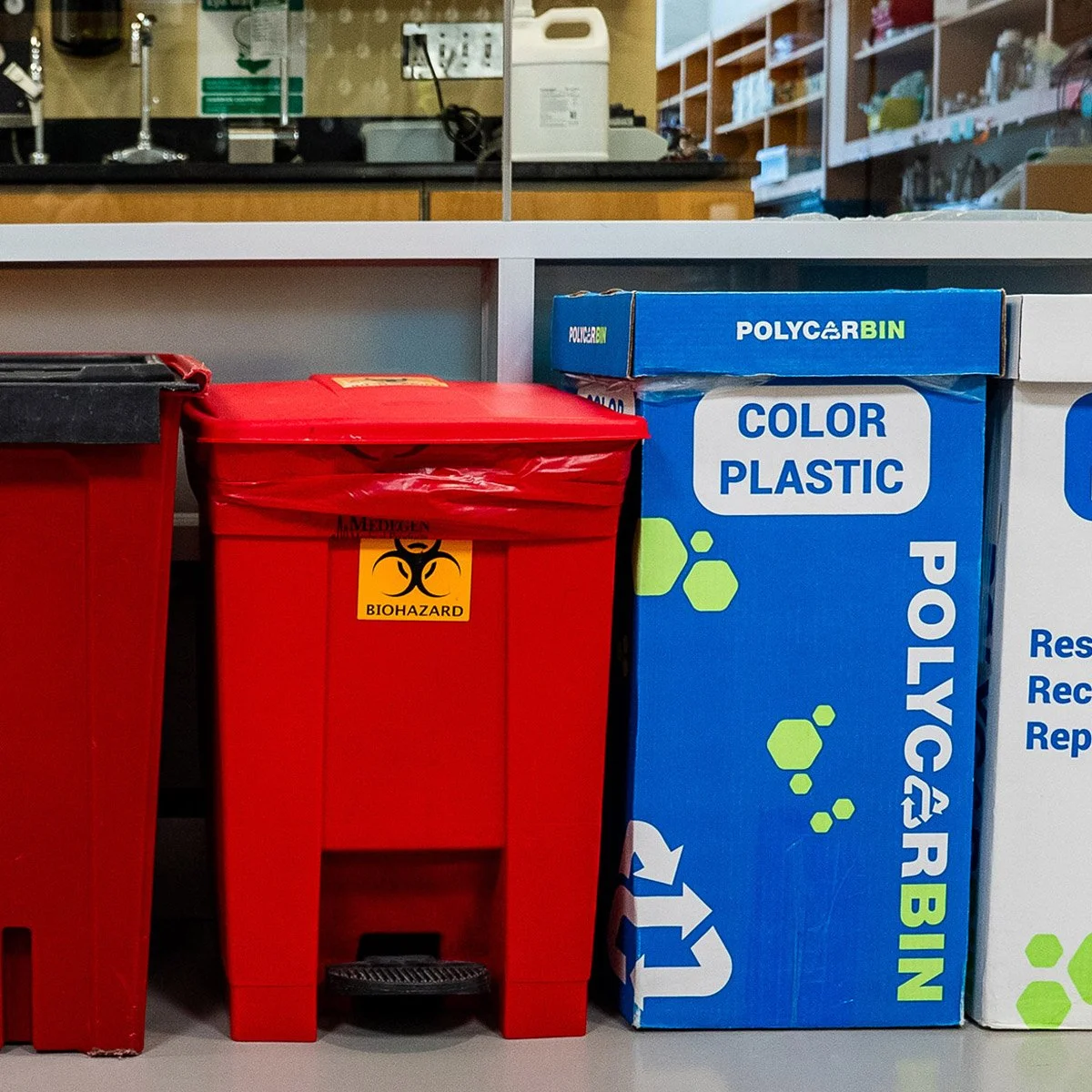
In this interview, NEB sustainability manager, Levi Rogers, shares how taking a closer look at everyday lab workflows can uncover practical, site-specific opportunities to reduce waste—without compromising safety, rigor or productivity. You may find that solutions already exist for your own bench work.
Scientific laboratories prioritize safety, accuracy, and oftentimes, regulatory compliance. Meeting these essential priorities creates an unintended consequence: a large amount of unused, unopened laboratory material quietly becomes waste. This widespread issue calls for an easy-to-use system to put lab surplus back into research use, with significant cost savings. This enables laboratories to do more with less while reducing scientific waste. This is the mission of the Wasteless Bio platform.

Ensilication can flip the script on nature by making biomolecule stocks thermostable, including complex biologics that are not amenable to lyophilization. Eliminating cold storage and transport requirements would boost sustainability for biomedical cold chains, biobanking and labs. Recent advances have made it an exciting new option in the life sciences.
Get an insider’s look at how research and clinical diagnostics are expanded by integrating software, data and robotics, as well as the opportunities “to dial” in workflows for cost and carbon savings.
Learn what scientist, Avinash Gill, Ph.D., hopes more people will talk about, as he shares the cutting-edge approaches his team takes to drive the discovery of new medicines, in the first of a three-part series of parallel interviews on strategic lab automation.

Lab automation is one of the most effective accelerators in life science research and development. Learn how biologists are using AI and automation in our parallel interviews with a select group of experts, and then consider joining them at the Future Labs West Summit.

Research that tightly integrates design, build, and test accelerates discovery. Learn about cutting-edge “agent augmented” labs that support scientists with planning, execution, error recovery, and review in this Q&A.
Get Green Lab Tips for biologists
These quick reads share actionable ideas and specific resources to help biologists practice environmental stewardship in lab operations.
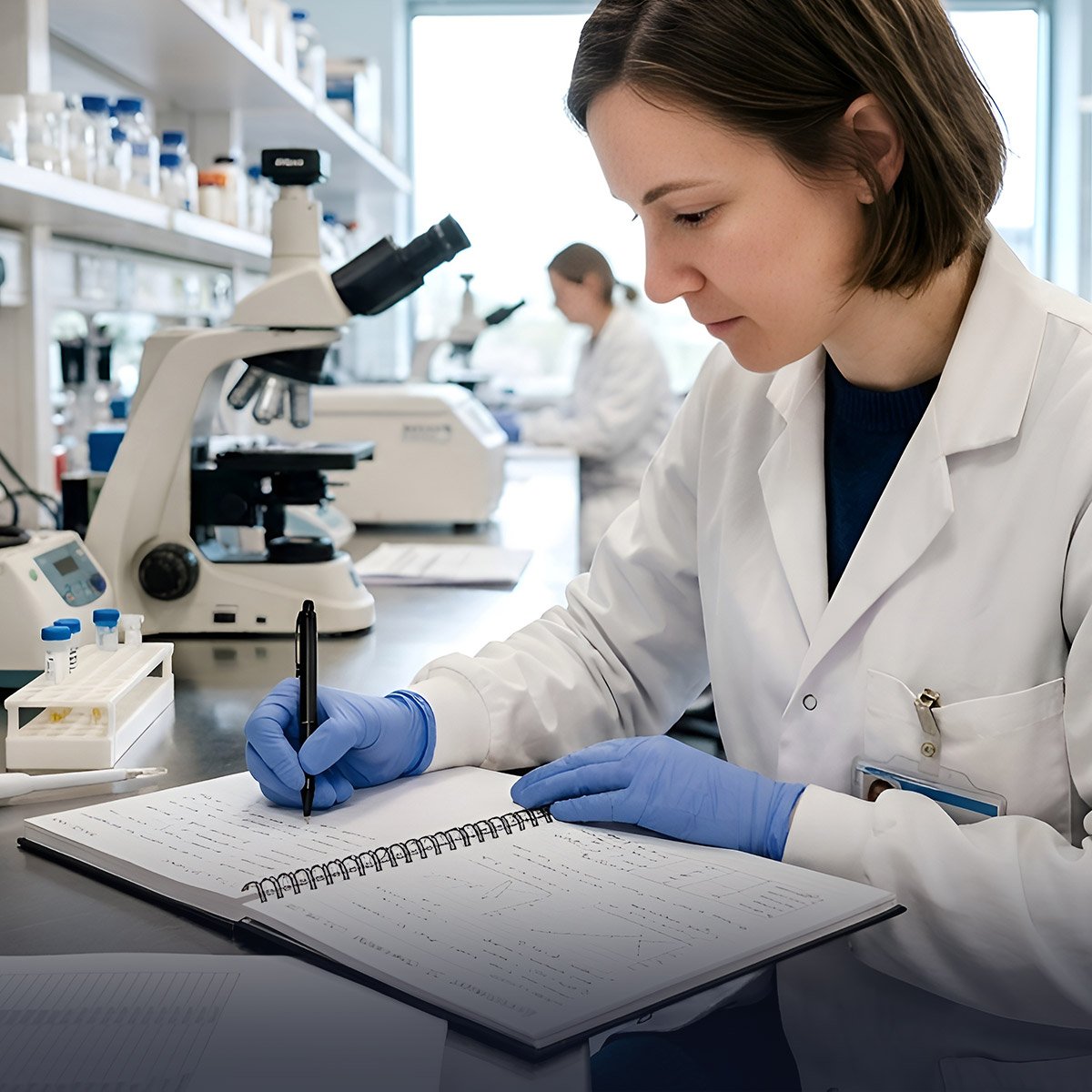
An open-access book on sustainable science offers practical guidance for greener labs, while the new SPARKHub platform will set the bar for standards and infrastructure in publicly funded research…
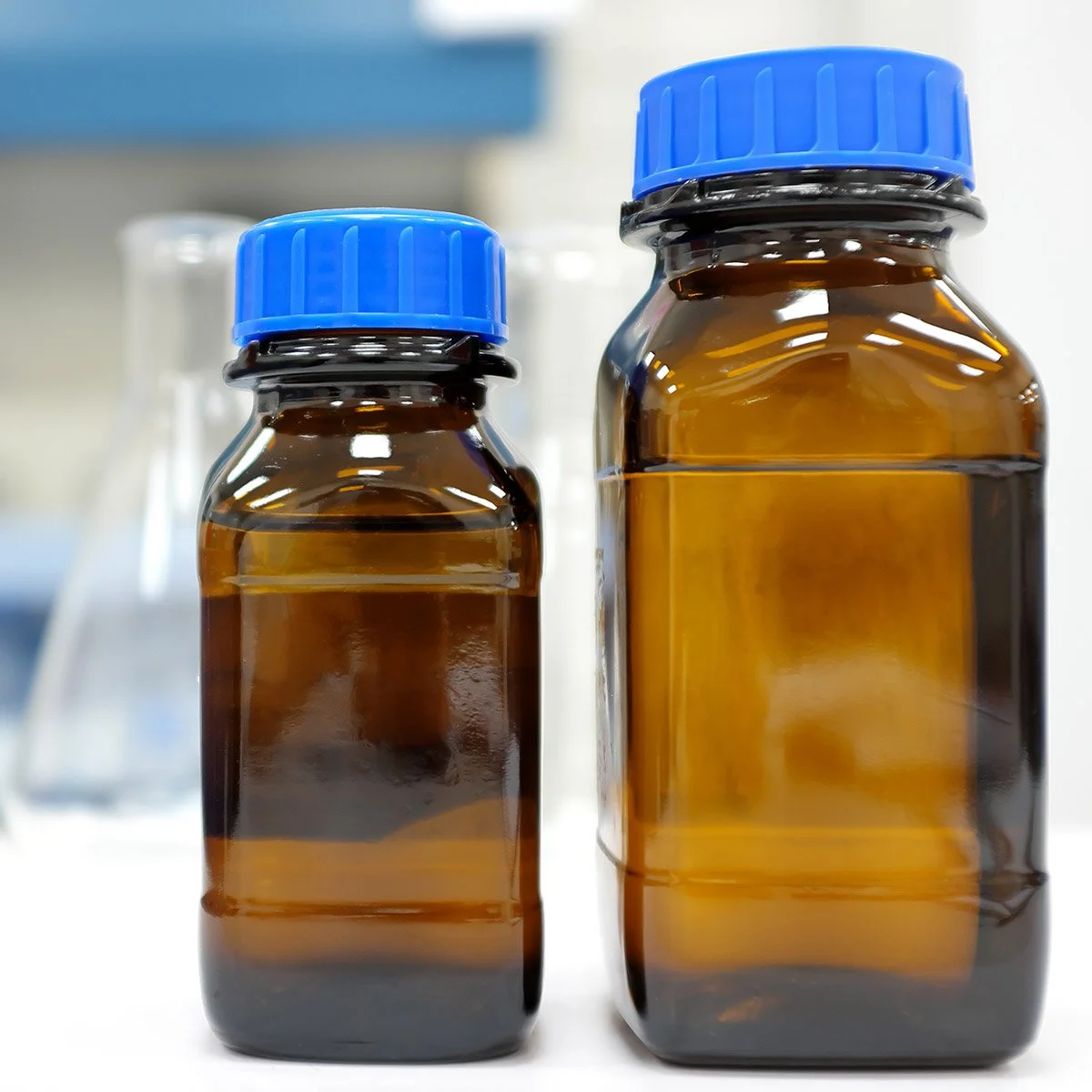
Dichloromethane is proof that in science, something can be both elegant in its chemistry and mildly guilt-inducing every time you open the bottle. Widely used in extraction workflows, dichloromethane (DCM) is a solvent with sought-after properties that also comes with growing sustainability and regulatory concerns….

This month, the U.S. Pharmacopeia (USP) officially permits recombinant reagents for bacterial endotoxin testing. If every lab using Limulus polyphemus-based reagents switched, it would prevent the deaths of around a hundred thousand horseshoe crabs each year. More likely, labs able to switch will reap the benefits of improved testing accuracy, and this will relieve pressure from our tenuous dependency on wildlife.
Even though it’s not possible to predict where the science will lead, we can promise that life science discoveries will serve humankind well into the future. Circularization strategies economize science and responsibly limit our impact on nature. This green lab tip highlights a few resources for free lab materials and equipment. Let’s keep life science research and education going strong!

Most biologists welcome opportunities to learn about environmentalism. A green fair is a great way to increase awareness and commitment to environmental justice and sustainability in life science work. Let’s review some tips for planning a successful green fair for biologists.
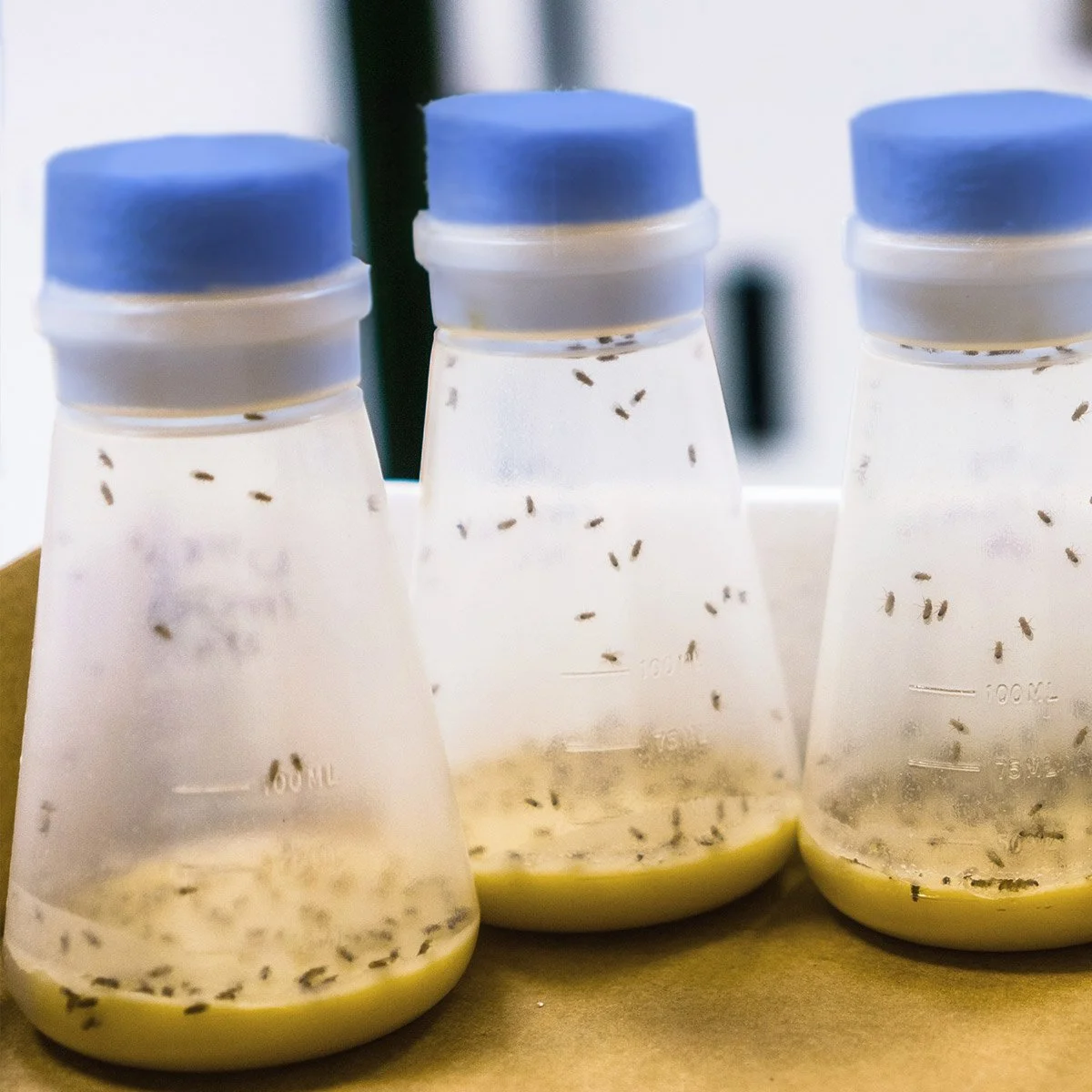
Drosophila researchers around the world have taken steps to green their lab operations while maintaining good laboratory practices. These efforts include preventing material waste, energy conservation, and leveraging the attributes of this model organism to reduce the need for testing in mammalians. We hope you are inspired by the initiatives of these green labs!

In life science, it’s often plastic-polluted ecosystems that firm our resolve to limit the environmental impacts of our lab work. Let’s take a moment to recognize a new category of lab plastics as a welcome step forward in sustainability.

UV decontamination lighting has been incorporated into biosafety cabinets for decades, and persistently over-relied on for decades in cell culture work. Green labs are removing UV lamps from biosafety hoods to eliminate risks and save energy. It’s a simple action that overcomes energy waste in the right setting.

Signage is an important tool for turning lab initiatives into established lab culture. A sign shows the path to sustainability. The types of signs typically used in lab facilities can come in the form of posters, stickers/decals, and digital, or even three-dimensional displays. No matter which format, it’s good to know best practices.
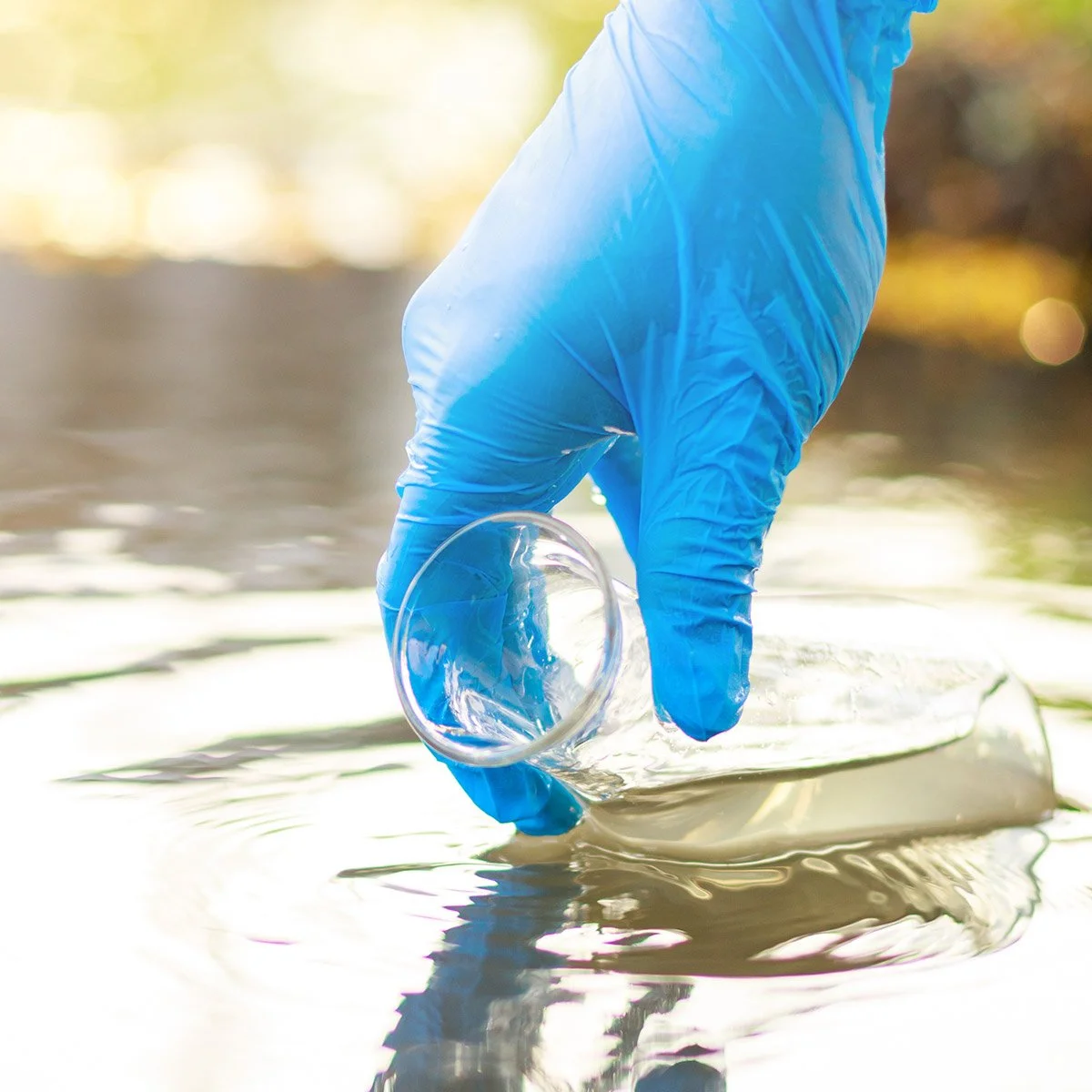
In June 2020, the small town of Merrillville, IN, received a visit from the Indiana Department of Environmental Management (IDEM). Merrillville is home to Microbac, a laboratory that offers analytical testing services for food, environmental, antimicrobial products, and pharmaceuticals. With more than 20 facilities across the United States, they are required to follow local water regulations, in addition to safety data sheets. However, what the IDEM found was not in line with either.
Plastic packaging often gets a bad rap (wrap?). And rightly so — approximately 5.5 million tons of plastic is produced annually in life sciences laboratories. While it provides essential protection and labeling for products, its impact on the environment calls for action. Fortunately, there are ways laboratories can reduce their waste from plastic packaging.

This widely used immunoassay to probe samples for specific proteins and posttranslational modifications has potential time and material savings associated with variations of the transfer step. Whether it’s a simple buffer switch, or a more involved equipment swap - it’s always worthwhile to explore lab workflow efficiencies. Just take care not to risk a successful blot!
Challenge Yourself with Training Games
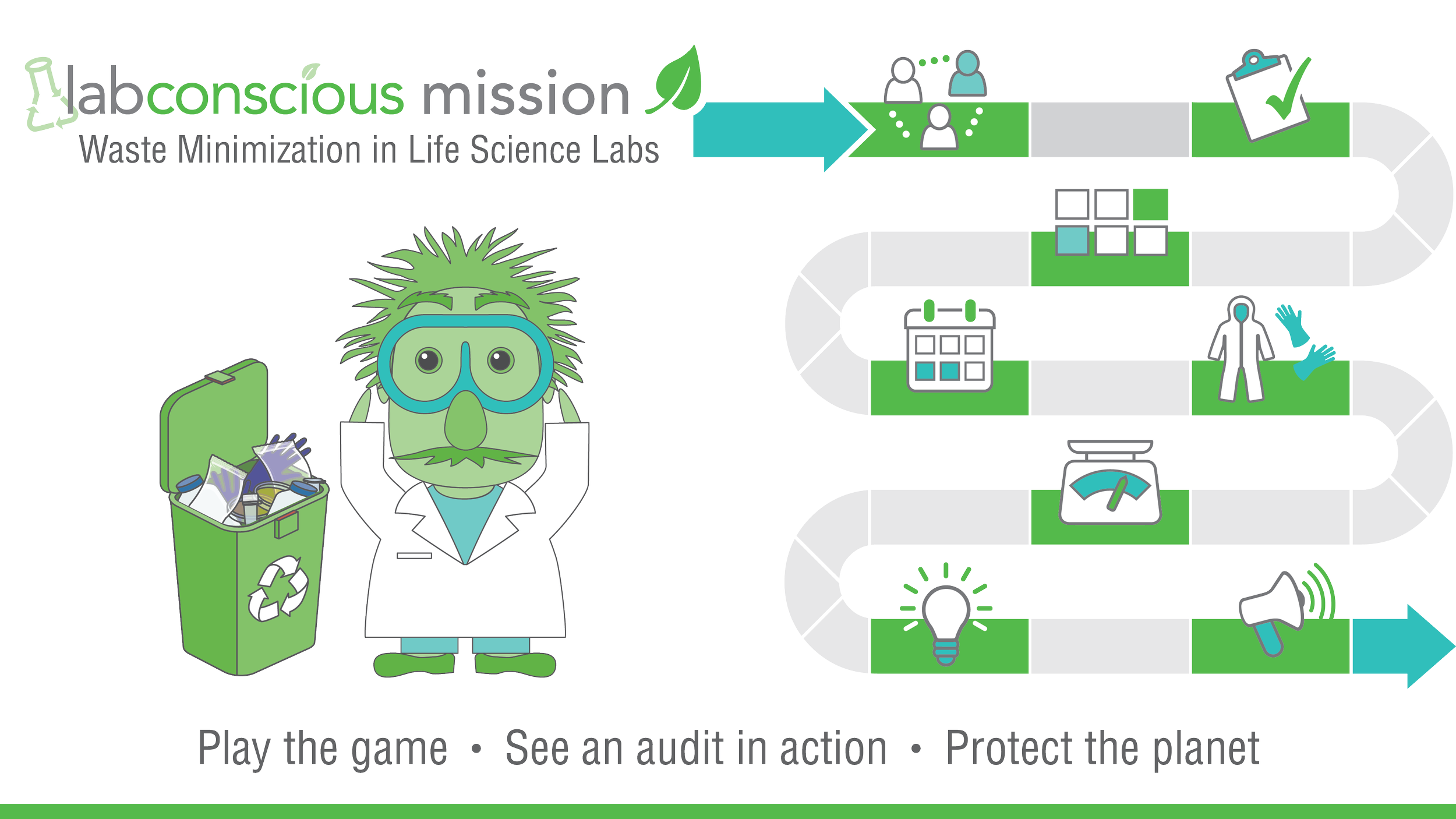
Join the green scientist in a scavenger hunt to find 24 green lab tips inside 5 virtual lab spaces. Or play our latest quest-style game to learn how to target lab waste.
Explore Featured Resources

Lab recycling
Learn more about plastics Initiatives and service providers

Lab reuse
Find programs and technologies to share, sell, or donate lab equipment and supplies

Tools
Databases and platforms to optimize energy consumption

Green Lab Supplies & Laboratory Equipment Guide
Engineering a new material type is impressive; anticipating long-term health and ecosystem impacts of an engineered material takes real foresight. Within the Harvard University system, the Wyss Institute develops improved, nature-inspired materials to solve real-world problems through concerted engineering and scientific R&D, culminating in commercialization.